MOLLOY ROOFING COMPANY
Commercial Roofing FAQs
Answers to common questions about commercial roofing systems, repairs, maintenance, and project planning.

Helpful Information for Building Owners & Property Managers
Commercial roofing projects involve important decisions around cost, performance, and long-term planning. Below are answers to common questions we receive from property owners, facility managers, and commercial clients throughout Greater Cincinnati and Northern Kentucky.
If you have additional questions, our team is available to help evaluate your building and provide guidance.
Commercial Frequently Asked Questions
General Commercial Roofing Questions
How do I know if my commercial roof needs to be replaced?
Signs include recurring leaks, membrane deterioration, ponding water, or a system approaching the end of its expected lifespan. A professional inspection can determine whether repair or replacement is the most effective solution.
How long do commercial roofing systems last?
Most commercial roofing systems are designed to last between 10–30 years, depending on the material, installation quality, and maintenance practices.
What types of commercial roofing systems does Molloy install?
Molloy Roofing Company installs and services a wide range of systems, including:
- TPO (Thermoplastic Polyolefin)
- EPDM (Rubber Roofing)
- PVC Roofing Systems
- Modified Bitumen
What is the best roofing system for my building?
There is no one-size-fits-all answer. The best system depends on building use, budget, insulation needs, drainage, and long-term performance goals. Our team evaluates each property to recommend the right solution.
Cost & Budgeting
How much does a commercial roof replacement cost?
Costs vary widely depending on system type, size, insulation requirements, and complexity. Pricing can range significantly per square foot based on design and performance specifications. A detailed inspection is required for accurate pricing.
Can you provide pricing without visiting the property?
No—commercial roofing systems are highly customized. Factors such as roof condition, moisture presence, access, and system design must be evaluated on-site to provide accurate recommendations and pricing.
Can Molloy help with long-term budgeting?
Yes. We provide roof assessments and capital planning guidance, helping property owners forecast repair and replacement costs over time.
Repairs & Maintenance
How often should a commercial roof be inspected?
We recommend inspections at least twice per year, typically in the spring and fall, as well as after major storms.
Does preventative maintenance really extend roof life?
Yes. Roof systems that are regularly maintained often last significantly longer than those that are not. Maintenance helps identify and correct minor issues before they become costly problems.
What does a commercial service call include?
A standard service call includes a technician crew visit to diagnose the issue and complete minor repairs where possible. Additional time and materials may be required depending on the scope of work. If the issue appears more complex, the project is referred to our estimating team for a full evaluation and detailed proposal.
How quickly can repairs be completed?
Routine commercial repairs are often addressed within a few days, depending on demand and weather. More complex issues may require a detailed proposal and scheduling. Seasonal backlogs may occur in wet months.
System Design & Materials
What is TPO roofing?
TPO (Thermoplastic Polyolefin) is a single-ply membrane roofing system known for its durability, energy efficiency, and heat-welded seams that create strong, watertight bonds.
What is EPDM roofing?
EPDM is a rubber roofing membrane that has been widely used for decades. It is known for its flexibility, durability, and long-term performance.
What is PVC roofing?
PVC roofing is a durable single-ply system with strong chemical resistance, making it ideal for restaurants and industrial environments.
What thickness should a membrane be?
Membrane thickness (such as 45 mil, 60 mil, or thicker) impacts durability and lifespan. Thicker membranes generally provide better long-term performance.
Tear-Off vs Re-Cover
Should I tear off my existing roof or install a re-cover system?
The decision depends on the condition of the existing roof. Re-cover systems can be cost-effective, but trapped moisture or structural concerns may require a full tear-off.
How do you determine if moisture is present?
Core sampling and inspection methods are used to evaluate the condition of the existing roof system and identify hidden moisture.
Are there code limitations on roof layers?
Yes. Most building codes limit the number of roofing layers to prevent structural issues and moisture entrapment.
Drainage & Performance
Why is drainage important on a flat roof?
Proper drainage prevents ponding water, which can accelerate deterioration and lead to leaks or structural issues.
What causes ponding water?
Ponding is typically caused by poor slope, clogged drains, or structural settling. Addressing drainage is critical to long-term performance.
Can drainage issues be corrected?
Yes. Solutions may include adding tapered insulation, improving drainage systems, or redesigning sections of the roof.
Process & Expectations
How long does a commercial roofing project take?
Project timelines vary depending on size, system type, weather, and phasing requirements. Larger projects may be completed in stages to minimize disruption.
Can work be completed while the building is occupied?
Yes. Most commercial roofing projects are performed on occupied buildings with proper coordination, safety measures, and communication.
What is Molloy’s typical scheduling timeline?
Service work is often completed within days, while larger projects may require scheduling based on demand, complexity, and weather conditions.
Contractor Selection
How do I choose the right commercial roofing contractor?
Look for a contractor with:
- Proven experience across multiple roofing systems
- Proper licensing and insurance
- Manufacturer certifications
- Strong references and track record
Is Molloy Roofing Company insured?
Yes. Molloy Roofing Company carries full liability and workers’ compensation insurance.
What makes Molloy different?
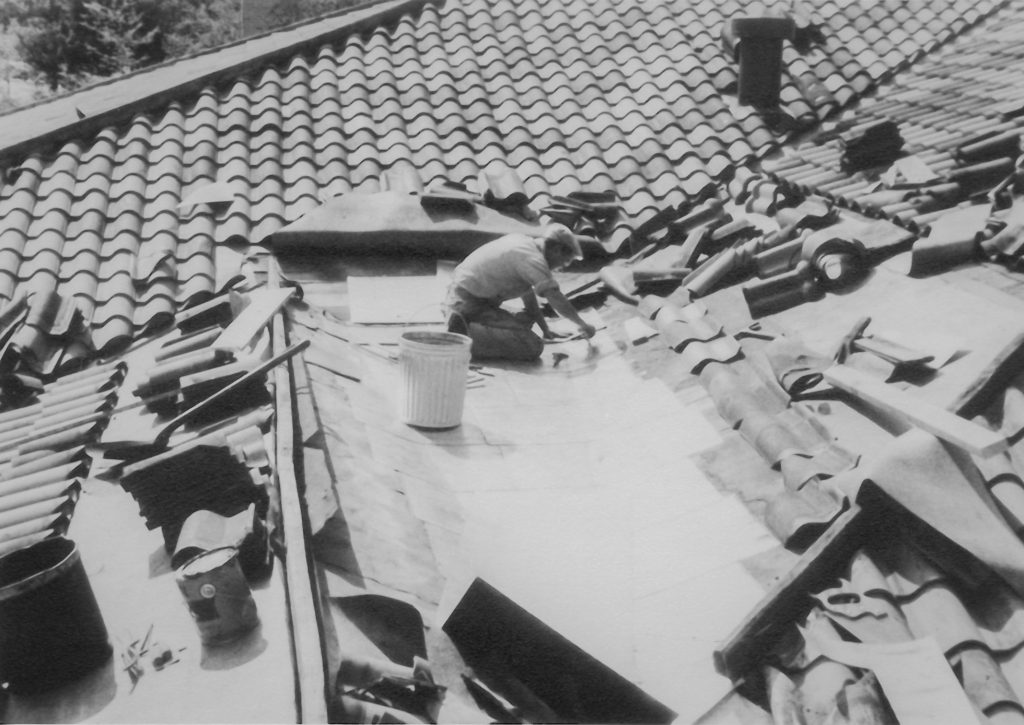
Molloy Roofing Company is a full-service contractor, not just a sales organization. With over 125 years of experience, we specialize in repair, replacement, and maintenance across all commercial roofing systems.

WHY MOLLOY
Trusted Commercial Roofing Since 1900
- 125+ Years Serving Cincinnati
- Expertise Across All Commercial Roofing Systems
- Dedicated Service and Maintenance Teams
- Strong Focus on Safety and Project Coordination
- Trusted by Property Managers and Building Owners
Proudly Serving Greater Cincinnati & Northern Kentucky
Ohio
- Hamilton County
- Clermont County
- Warren County
- Butler County
Kentucky
- Kenton County
- Campbell County
- Boone County
Have Questions About Your Building?
Our team is ready to evaluate your roof and provide clear recommendations.